
If you’re a parent of a teenager, you’ve probably had this conversation at the dinner table: “I want to be a gamer.” Or maybe it’s, “I’m going to be a fashion influencer,” or “I just love animals, so maybe something with dogs?” And while your heart wants to say, “Follow your passion, beta,” your head quietly whispers, “But what about job security? What about stability?”
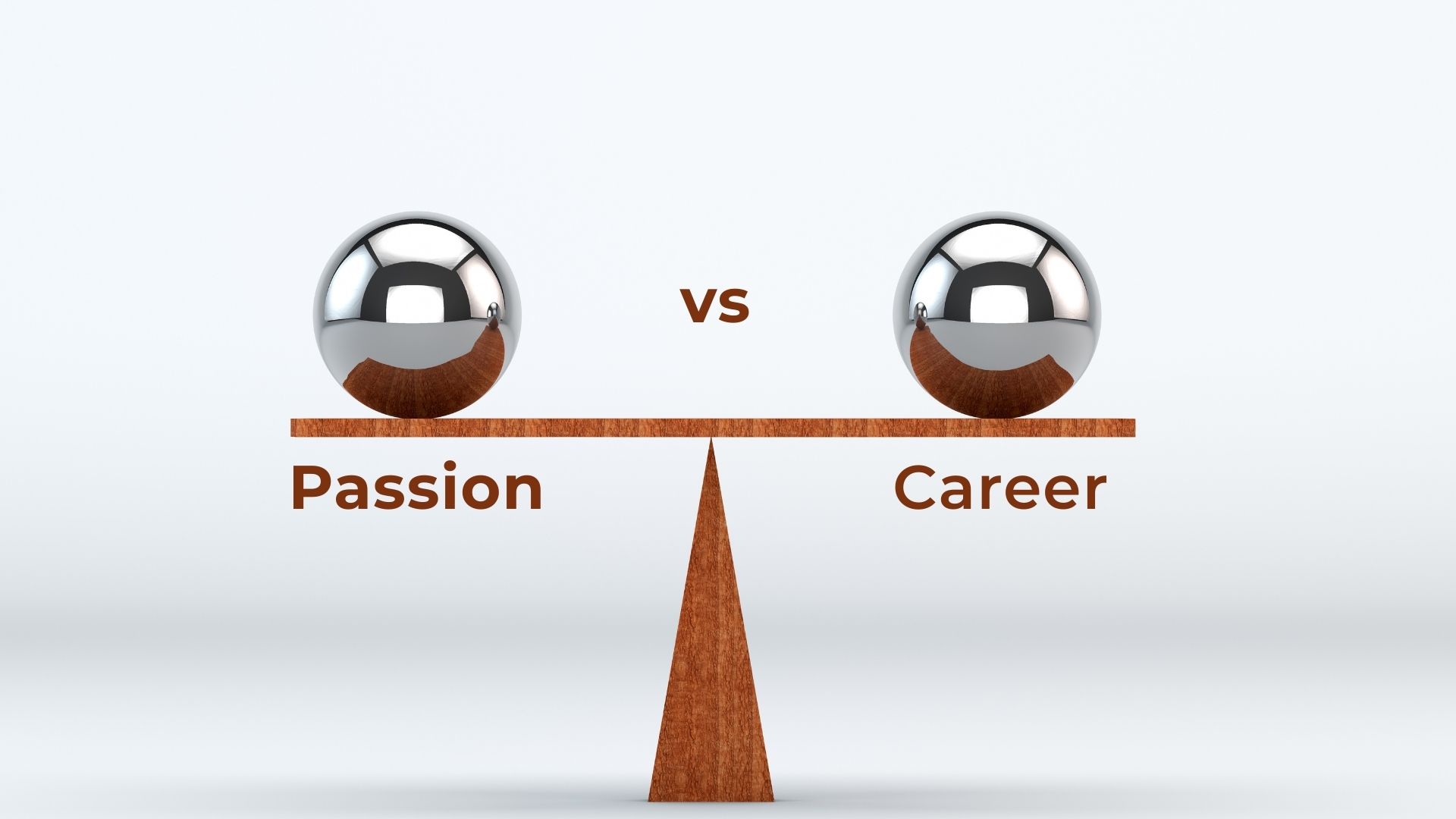
This tug-of-war between passion and practicality is a genuine struggle. It’s also exhausting. But here’s the truth, there is a middle ground. And that middle ground is your child’s strengths.
At Strengths Masters, we help students from Classes 8 to 12 discover their natural talents through the CliftonStrengths assessment. Why? Because strengths don’t just show what they like; they reveal what gives them energy, where they can excel, and how those qualities can shape meaningful, sustainable careers.
Passion vs. Opportunity: It’s Not Always Black and White
Let’s be honest, telling a 14-year-old to think about “career opportunities” feels a bit like asking them to file taxes. They care about what excites them right now: cricket, robotics, music, coding, and baking. That’s natural.
On the other hand, parents can’t help but think about the long game, whether a career will provide financial stability and opportunities for growth. That’s natural too.
So we’re stuck in this seeming contradiction: kids are chasing what they love; parents are chasing what’s safe. But here’s the thing, it doesn’t have to be one or the other.
Strengths as the Missing Bridge
Think of strengths like a bridge connecting two islands: one is “interest” and the other is “opportunity.” Without that bridge, kids risk either:
- Chasing a passion that burns out when reality hits, or
- Settling for a “safe” career that leaves them uninspired
But when we map careers through the lens of strengths, something different happens.
Take for instance, a student who says, “I love video games.” Parents panic: “But that’s not a real career!” Fair. But what if we notice that this student’s CliftonStrengths report highlights Strategic, Analytical, and Futuristic talents? Suddenly, gaming isn’t the only option, it’s a window into careers like game design, data analysis, artificial intelligence, or product strategy in tech.
The passion points us to the entry door, but strengths show us the house inside.
Why Starting Early Matters

Classes 8 to 12 may feel too early to talk about careers. But this stage is when students are building habits, shaping their identity, and absorbing every “you should” that adults throw their way. By giving them a structured way to explore who they really are, you’re not boxing them in, you’re freeing them.
Imagine a student who naturally shines in Communication and Empathy. If she knows this at 15, she can start exploring debates, volunteering, or internships that prepare her for careers in media, law, or psychology. That’s not pressure, it’s clarity.
And clarity reduces anxiety. Because let’s face it, the uncertainty of “what next?” is one of the biggest stressors for both students and parents.
A Small Tangent on “Future-Proof Careers”
You’ve probably read articles about AI replacing jobs or how 60% of careers today won’t exist in 20 years. Honestly, that’s both scary and liberating.
It’s scary because yes, traditional paths may not guarantee security anymore. But it’s liberating because strengths don’t go out of date. Problem-solving, empathy, strategic thinking and adaptability aren’t bound to industries. They’re portable. If your child builds their career around strengths, they’ll be relevant no matter how the job market shifts.
How Parents Can Play Their Role
Here’s where it gets tricky: supporting your child’s interests without blindly agreeing with everything they say. A few gentle steps can help:
- Listen without judgment first. Even if your child says they want to be a stand-up comic, hear them out. Sometimes they’re testing your reaction.
- Notice patterns. What do they keep going back to? Is it storytelling, problem-solving, persuading, or designing? Those patterns often point to strengths.
- Encourage experiments. Online courses, school clubs, and shadowing professionals, small exposures help test whether an interest is a passing phase or a deeper fit.
- Bring in objectivity. This is where tools like CliftonStrengths help. They provide language and structure so you’re not stuck between “dreaming” and “practicality.”
The Strengths Masters Approach
At Strengths Masters, we don’t tell students what career to choose. Instead, we help them see who they are and how they think. Through the CliftonStrengths assessment, they discover their top talents, maybe it’s Ideation, maybe Discipline, maybe Relator. Then we sit with them (and yes, often with parents too) to decode what those talents mean for study choices, skill-building, and long-term career planning.
The magic is in the conversation that follows. Parents stop worrying about whether their child is being “too dreamy” or “too rigid.” Students stop feeling like they have to choose between passion and paycheck. Instead, both sides see how interests, strengths, and opportunities intersect.
So, What Does Balance Really Look Like?
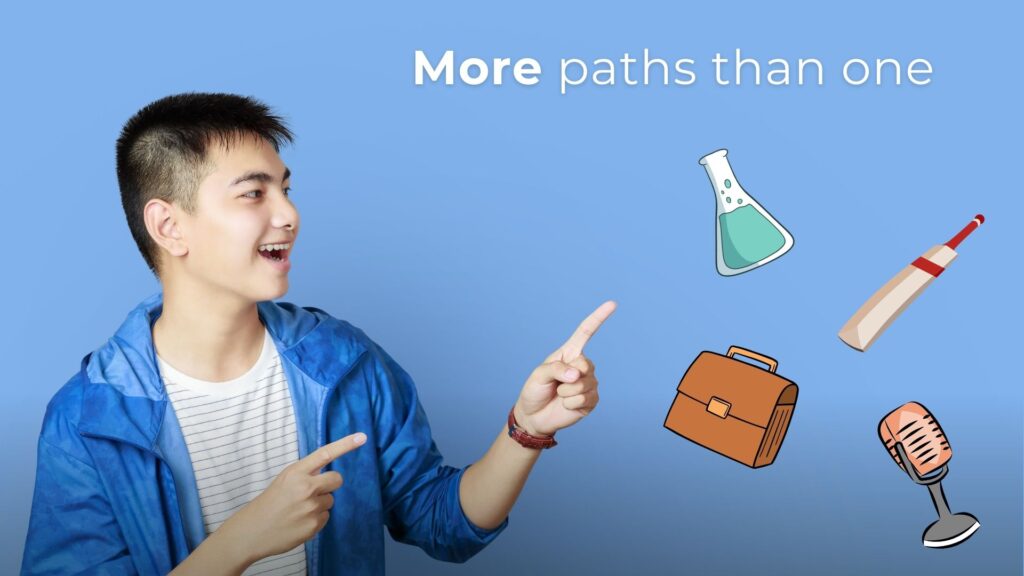
It looks like a student who loves animals, not being boxed into “vet or nothing”, but seeing pathways in research, conservation, biotechnology, or even entrepreneurship in the pet industry.
It looks like a student passionate about cricket, realising their Competition and Achiever strengths could also thrive in sales, management, or performance-driven roles outside sports.
It looks like parents are sleeping better because the plan isn’t based on fantasy, and students are waking up energised because the plan isn’t just about compromise.
A Final Word for Parents
Balancing your child’s interests with career opportunities isn’t about choosing one over the other. It’s about finding that sweet spot where passion meets possibility. Strengths provide that sweet spot.
So next time your child says, “I want to be a YouTuber,” take a deep breath. Instead of saying, “That’s not practical,” or “That’s amazing, go for it,” ask, “What is it about YouTube that excites you?” You might hear answers like creativity, influence, technology, or community. And each of those maps to strengths that can grow into many fulfilling careers.
Because careers aren’t built in a day. They’re built on years of knowing oneself, experimenting, and yes, sometimes making mistakes. Your role isn’t to choose for them, it’s to guide them toward a future where they’re not just employed, but engaged.
And honestly, isn’t that what we all want for our children?