
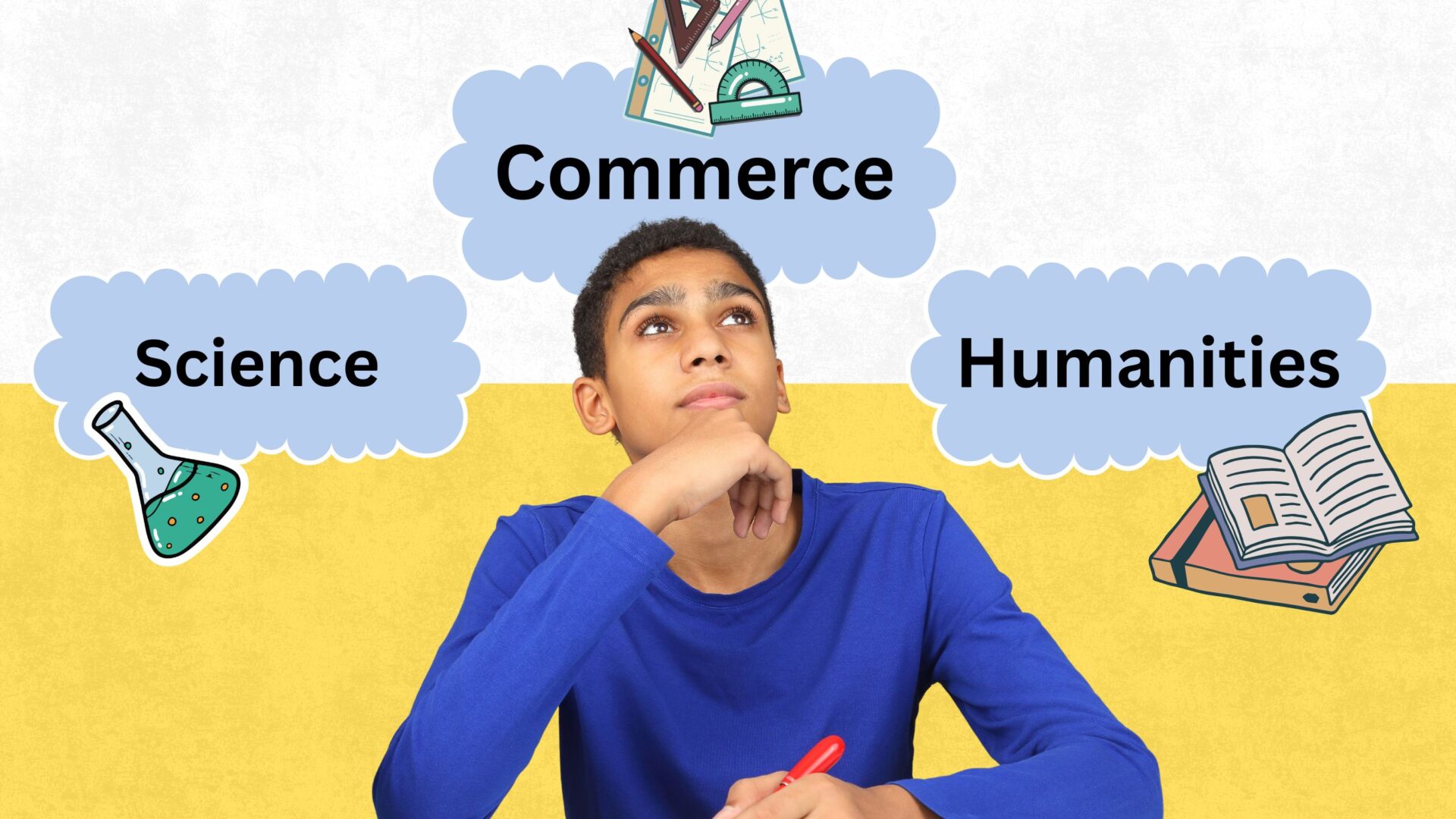
If you’re a parent of a Class 10 student, you already know what’s around the corner: the “stream selection” decision. Science, Commerce, Humanities, three simple labels that somehow feel like they carry the weight of your child’s entire future.
It’s exciting. It’s terrifying. And if you’re like most parents, it’s confusing too.
Because marks, trends, and peer pressure all seem louder than your child’s inner voice. One topper’s parent says, “Science is the only real choice.” Another insists, “Commerce has a better scope.” Meanwhile, your child is caught in the crossfire, trying to make sense of it all.
So how do you, as a parent, guide them without pushing them into someone else’s story? Let’s talk about that.
Why Marks Aren’t the Whole Story
Here’s the first big truth: marks matter, but they don’t tell the whole story.
A 90 in Maths doesn’t always mean your child enjoys Maths. It could mean they’re disciplined, good at pattern recognition, or simply worked hard for the exam. On the other hand, a 70 in History doesn’t automatically mean they can’t thrive in Humanities; it might just be that the teacher’s style didn’t click, or they didn’t find joy in rote memorisation.
We often confuse ability with energy. But ask yourself: Does this subject light them up? Do they lose track of time when they’re working on it? That’s a better clue than the number on the report card.
The Pressure Cooker Called “Trends”
Every decade has its “hot” stream. A few years ago, it was Science; everyone wanted their kid to be an engineer or doctor. Then, Commerce rose with finance, MBA, and CA being the buzzwords. Now, some parents are eyeing Humanities because of law, psychology, or civil services.
But here’s the tricky part: the market keeps shifting. Careers that didn’t exist 10 years ago are thriving today, think data science, UX design, or social media strategy. And the jobs our children will do after graduation? Many of them don’t even exist yet.
So if you’re chasing a trend, you’re running after a moving target. And by the time your child graduates, the “scope” may have changed. That’s why a strengths-based approach feels less like gambling and more like building a solid foundation.
Strengths: The Missing Piece Parents Overlook
So what exactly is a “strengths-based approach”?
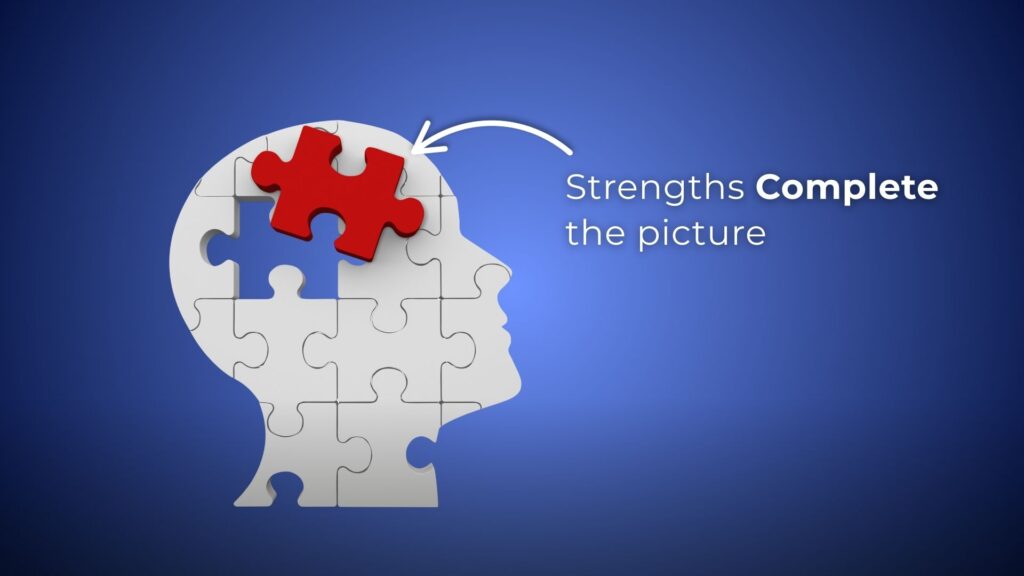
It’s simple: instead of asking, Which stream has more scope? You ask, What energises my child, and how do different subjects connect to that?
For example:
- A child with natural curiosity, empathy, and a love for conversations might thrive in Humanities, even if their grades in Science are decent.
- Someone who enjoys solving puzzles, organising details, and thinking logically might feel at home in Commerce.
- A student who loves tinkering, experimenting, and learning how systems work may enjoy Science, but only if they also feel energised by its rigour.
Notice the difference? It’s not about “can they do it,” but “do they want to keep doing it?”
But What If My Child Is Still Confused?
That’s natural. At 15 or 16, most students don’t know themselves fully. They’re still figuring out who they are, experimenting with different identities, and testing boundaries.
This is where tools like Gallup’s CliftonStrengths assessment or structured career discovery sessions help. They give language to things your child might not even realise about themselves. Instead of vague words like “creative” or “smart,” you’ll hear specific themes like “Analytical,” “Empathy,” “Strategic,” or “Communication.”
It’s like giving them a mirror that reflects not just their marks, but their natural patterns of thinking and behaving. And once they see that, connecting it to streams becomes easier and less stressful.
Common Parent Dilemmas (And How to Think Through Them)
Let’s address some questions parents often whisper in workshops:
“What if my child chooses Humanities, but later regrets not taking Science?”
Regret usually comes from choosing without clarity, not from the subject itself. If the decision is made after understanding strengths, it sticks better.
“But what if their passion doesn’t make money?”
Money follows expertise and energy. A child who’s deeply engaged will outgrow peers who picked a “safe” stream but struggled with disinterest.
“Should we let them decide entirely on their own?”
Yes and no. Children need freedom, but also guidance. They often don’t see the long-term implications, while parents sometimes overlook the child’s lived experience. The best decisions happen in conversation, not in isolation.
A Quick Thought Experiment
Imagine your child is standing at a railway station. Three trains are waiting: Science, Commerce and Humanities. Each train will take them down a different track.
If they board one just because their friends are on it, or because someone said “that’s the safer one”, they might spend the journey staring out the window, wishing they were somewhere else.
But if they board a train that matches their natural pace, interests, and strengths, the journey feels smoother. Sure, there will still be challenges (every stream has them), but at least the direction feels right.
How You Can Help Without Hovering
Your role isn’t to hand them a map with one path marked in red. It’s to help them explore the terrain.
- Listen actively: Sometimes they give you clues without realising it. “I hate memorising formulas” is a clue. “I love discussing why people behave the way they do” is another.
- Ask reflective questions: Instead of “What do you want to take?” try “Which subjects make you curious, even outside school?”
- Balance ambition with reality: Encourage their interests, but also discuss workload, future options, and practical realities, without fearmongering.
- Get expert input: A professional strengths assessment or career discovery session adds an objective lens, so it’s not just “parent says” versus “child feels.”
Closing Thoughts
Stream selection after Class 10 isn’t about stamping your child’s future in ink. It’s about setting the tone for the next few years, and more importantly, teaching them how to make thoughtful choices.
Marks give one piece of the puzzle. Trends give another. But the most enduring piece is knowing what energises your child and helping them build on that.
As parents, we want safety and stability for our children. But true stability doesn’t come from chasing “scope”, it comes from your child walking a path that feels authentically theirs.
And when that happens, the stream isn’t just a stream. It’s the start of a river that carries them towards work they’ll actually enjoy, and a life they’ll feel proud of.