

Every parent wants their child to have a future that feels secure, fulfilling, and, let’s be honest, respected. So when you scroll through LinkedIn, hear from relatives, or glance at the latest headlines screaming about “hot careers of 2025,” it’s natural to wonder: Should my child be preparing for these?
The buzz right now is everywhere: AI engineers, climate scientists, space tech specialists, digital creators, data storytellers. It sounds exciting, almost futuristic. But here’s the uncomfortable question: if everyone’s chasing the same trend, is your child really choosing a career, or just following a crowd?
The Allure of Shiny New Careers
Trendy careers have always existed. Years ago, it was medicine and engineering. Later, it was IT and finance. Today, it’s AI and sustainability. Tomorrow, it might be neuro-design or space tourism. The labels change, but the cycle remains.
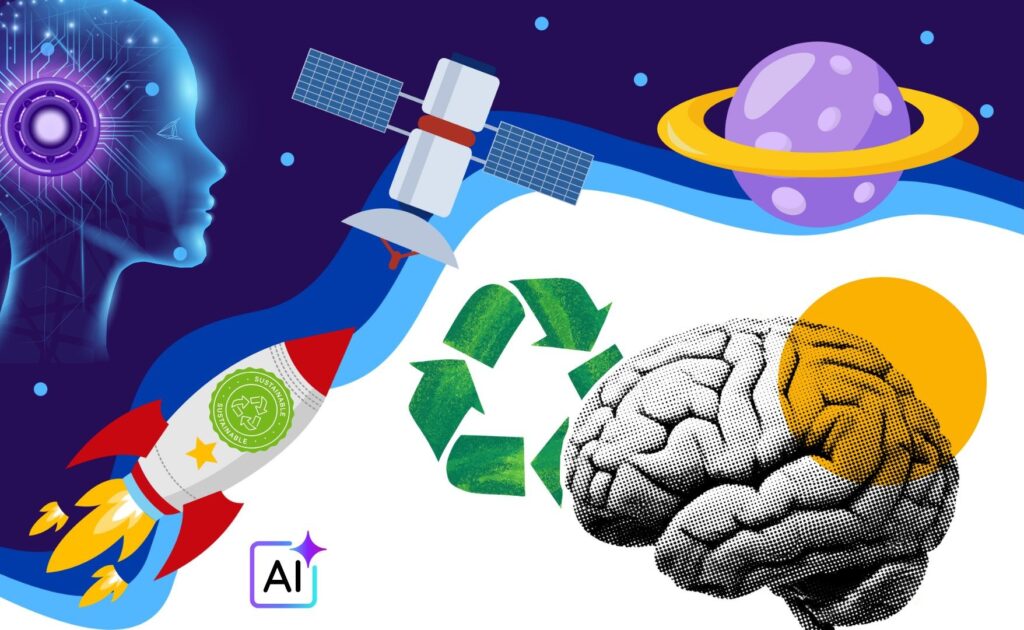
The hype draws people in because these fields promise money, prestige, or future-proof security. And who wouldn’t want that for their child? But here’s the catch: just because something is “booming” doesn’t mean every child is wired to thrive in it.
Think about it: a child who naturally thrives in storytelling, imagination, and connecting with people might struggle in a deeply technical field that demands long, solitary hours crunching code. Sure, they could do it. But would they shine? Would they enjoy the journey, or just tolerate it?
Hype vs. Fit: The Hidden Trade-off
When a student follows a trend blindly, two things often happen.
- They put in double the effort just to keep up, because the work doesn’t match how their brain naturally works.
- They slowly lose confidence, comparing themselves to peers who do find energy in that field.
It’s like asking a fish to climb a tree. With enough effort, maybe it gets halfway. But the monkey next to it barely breaks a sweat.
This is why the real conversation isn’t “What careers are trending in 2025?” but rather: “Which careers make sense for my child’s strengths, regardless of what’s trending?”
Strengths as a Compass
Here’s the thing most parents miss: trends come and go, but a child’s core strengths rarely change. If your child has a natural way of thinking, feeling, and behaving, that’s not a passing fad. That’s their wiring.
For example:
- A student who loves spotting patterns and enjoys working with logic might feel at home in data science, yes, but the same strength could also make them brilliant in financial risk analysis or even urban planning.
- A child who thrives on empathy and connection might not enjoy the pressure-cooker environment of hardcore AI programming, but they could excel in fields like psychology, teaching, or even customer experience roles within tech companies.
The beauty here is flexibility. When your child knows their strengths, they’re not limited to chasing one trendy label. They can apply their natural abilities across multiple fields, even those that don’t exist yet.
The Pressure Cooker of Peer Comparisons

Let’s pause for a second. Every parent knows that school WhatsApp groups, extended family dinners, and even random coaching-centre billboards can make you feel like your child is falling behind if they’re not preparing for the career of the moment.
“XYZ’s son is already learning Python at age 14.”
“My niece is building her AI portfolio.”
“Everyone’s applying to that design school in Europe.”
Sound familiar?
Here’s what’s dangerous: students start believing that success is about fitting into these moulds, not about finding their own path. And when they later hit roadblocks, because they never truly fit, they start doubting themselves, not the trend they were pushed into.
Careers of 2025: Exciting but Overhyped
Let’s quickly look at a few fields that are buzzing right now, especially here in India:
- Artificial Intelligence & Machine Learning: Companies like Infosys, TCS, and even startups in Bengaluru are scaling up AI teams. But the work demands patience, deep curiosity, and technical rigour; not everyone finds joy here.
- Sustainable Energy & Electric Vehicles (EVs): With Tata Motors and Ola Electric pushing EVs hard, roles in battery technology, charging infrastructure, and green energy are booming. Yet these roles suit system-oriented problem solvers, not every student.
- EdTech & NEP-driven Education Careers: With the New Education Policy emphasising holistic learning, careers in curriculum design, digital pedagogy, and skill-based teaching are on the rise. Students with empathy and creativity could flourish here.
- Gaming & Esports: India is now the largest gaming market in Asia by downloads. Careers in game design, esports management, or streaming are becoming mainstream, but they require resilience, discipline, and adaptability beyond just “playing games.”
- Content Creation & Digital Influence: From YouTubers to Instagram educators, this space looks glamorous but has a high burnout rate. Only students with both creativity and consistency tend to last.
- Space Tech & Robotics: ISRO’s Gaganyaan mission has reignited excitement, while private players like Skyroot are opening new possibilities. But again, this is for those who love precision, persistence, and innovation under pressure.
Each of these careers has potential. But none of them are one-size-fits-all.
A Better Question: What Comes Naturally?
Instead of asking, “Should my child get into AI, climate, or design?” the sharper question is: “What does my child do naturally, almost without effort?”
Because when work feels like swimming with the current rather than against it, progress compounds. They build confidence, joy, and, ironically, the very success we all want for them.
And here’s a quiet truth: the future is unpredictable. Ten years ago, did anyone think “YouTuber” would be a career? Or that data visualisation designers would be in such demand? Probably not. The careers of 2035 haven’t even been invented yet. But a child anchored in their strengths will be ready for them when they arrive.
What We Do at Strengths Masters
At Strengths Masters, we help students in Classes 8th to 12th step away from the noise and discover what actually makes sense for them. Through a structured process, they first discover their natural strengths. Then, with expert guidance, those strengths are decoded and mapped into career and stream choices that fit.
This means instead of your child chasing trends blindly, they’re building a foundation where trends become opportunities, not traps.
A Simple Way to Think About It
Trends are like waves. They rise, they crash, and then another comes. If your child knows how to swim, every wave is an adventure. But if they don’t, every wave feels like a threat.
Strengths are that swimming ability. Once they know their strokes, the ocean, no matter how unpredictable, becomes navigable.
So, Should Your Child Follow the Hype?
The answer is: not necessarily. By all means, let them explore trending fields; exposure is important. But let their strengths decide whether they stay there or pivot elsewhere.
Because a career isn’t just about “what’s hot.” It’s about what sustains them day after day, year after year.
And here’s something to remember: confidence doesn’t come from chasing what’s popular. It comes from knowing, deep down, “This is who I am, and this is where I’ll thrive.”
Final Thought: As parents, your role isn’t to hand your child the trendiest map. It’s to give them a compass that always points them back to their strengths. Trends will change. Strengths will not.